
Glycerin, often also called glycerol, is not a new or trendy ingredient. But it's one that has proven its worth in cosmetic products for many years. It´s a true "hidden champion" that quietly does its job - and does it very well.
Glycerin has a viscous consistency, is odorless and colorless, and is chemically classified as a sugar alcohol. Therefore, it is often used as a sweetener in the food industry.
Like many other active ingredients – such as collagen or hyaluronic acid – glycerin also occurs naturally in the human body, where it is, among other things, part of energy metabolism.
Glycerin, the moisture hero
What we skincare experts love about glycerin is its remarkable ability to bind and release water. This makes glycerin a fantastic humectant, most used in skincare products for dry, "thirsty" skin. From a dermatological perspective, glycerin is therefore classified as a humectant.
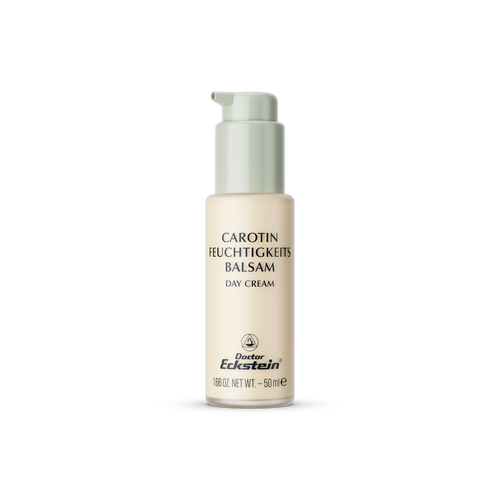
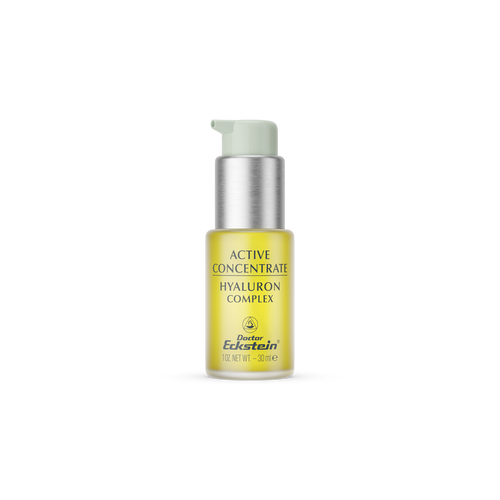
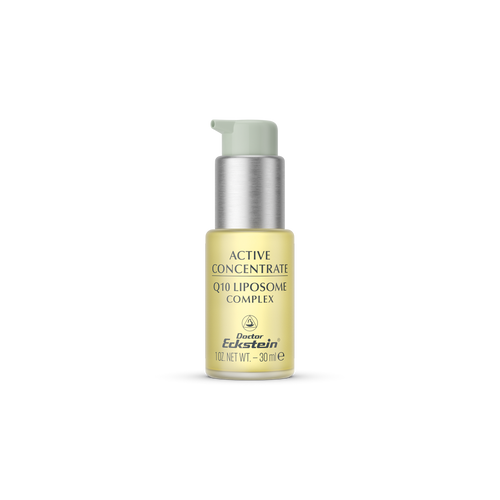
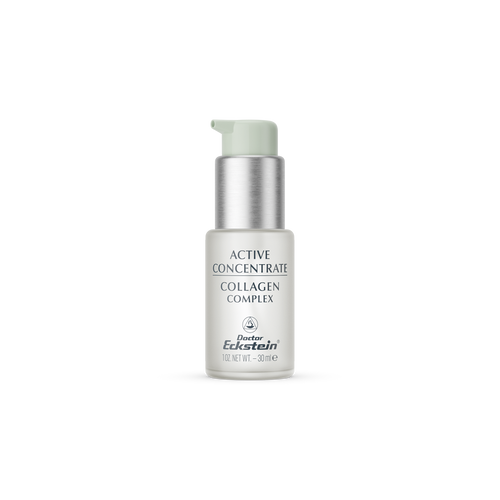
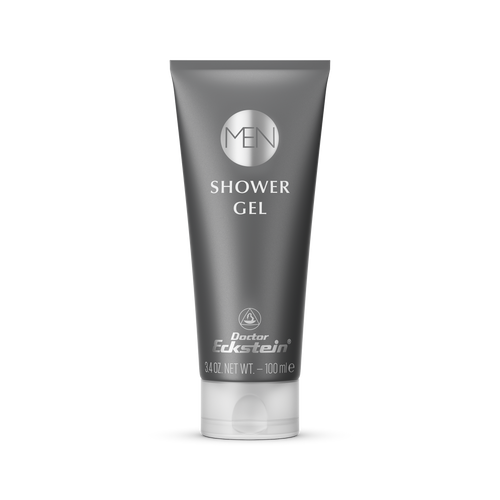
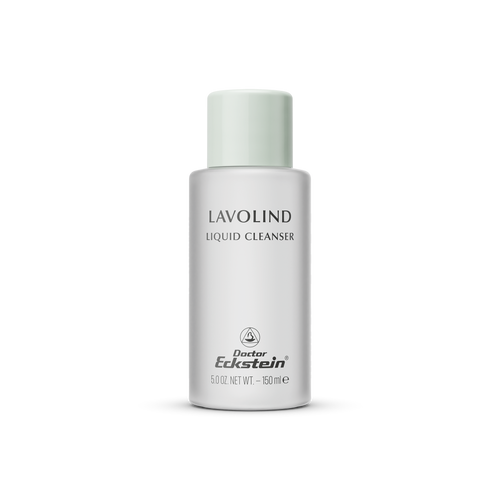
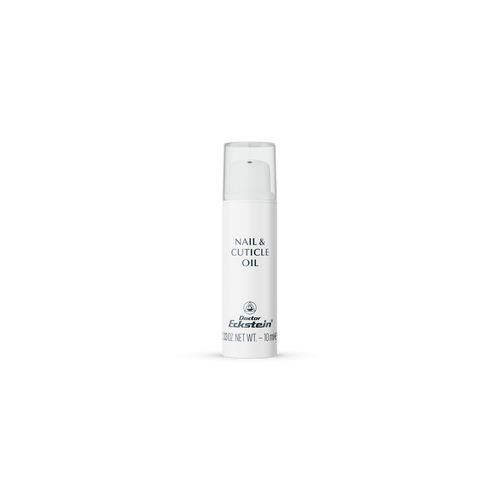
Glycerin works in the outermost layer of skin, attracting moisture from its surroundings and continuously releasing it. However, the moisture it draws upon usually comes from the skincare product itself. Once bound by glycerin, this moisture penetrates the skin, helping to hydrate it and keep it moisturized for longer. The benefit: the skin no longer feels tight, fine lines are softened, elasticity improves, and the skin appears fresher. How does it feel? Here you’ll find our skincare products with glycerin. Try them out!
Fun Fact: Glycerin-water mixtures can solidify at -196.15 degrees Celsius and assume a glassy state.
How glycerin is obtained
Glycerol occurs chemically bound to animal fats, such as beef and pork fat, or in vegetable oils, such as palm oil, sunflower oil, and rapeseed oil. It is a compound of fatty acids and glycerol. Through the chemical process of hydrolysis – the introduction of water as a reactant - this compound can be broken down, splitting the fatty acids and glycerol.
Glycerin can also be produced synthetically, for example, through petrochemical processes based on fossil raw materials or via natural processes, where glycerin is created as a by-product of biodiesel manufacturing.
In cosmetics, plant-based glycerin is primarily used because it is vegan and can be produced in a highly sustainable way – factors that influence many consumers' purchasing decisions today.
At Doctor Eckstein®, we likewise use plant-based glycerin of pharmaceutical grade. This grade meets the highest purity and safety standards, adhering to the strict regulations required for medicinal use.
Glycerin research
In-vitro studies in recent years suggest that glycerin may offer many additional benefits for the skin, making this high-quality cosmetic ingredient even more attractive.
As you can see, even time-tested active ingredients can still reveal new scientific insights – and pleasant surprises.
Yours sincerely, Verena Eckstein
Scientific literature:
Ackerman C, Banks J et al. (1995). The effect of glycerol and humidity on desmosome degradation in stratum corneum . Arch Dermatol Res. 287(5), 457-64. DOI: 10.1007/BF00373429 I Bachler J, Fuentes-Landete V et al (2016). Glass polymorphism in glycerol–water mixtures: II. Experimental studies. Phys Chem Phys. 18(16),11058-68. DOI: 10.1039/c5cp08069j I Björklund S, Engblom J et al. (2013). Glycerol and urea can be used to increase skin permeability in reduced hydration conditions. Eur J Pharm Sci. 50(5), 638-45. DOI: 10.1016/j.ejps.2013.04.022 I Bornkessel A, Beradesca E (2005). G lycerol — Just a Moisturizer? Biological and Biophysical Effects. Book. DOI:10.1201/B14251-24 I Buitenwerf J, du Pont JS et al. (1994). Virucidal effect of glycerol as used in donor skin preservation. Burns. 20, Suppl 1, 77-80. DOI: 10.1016/0305-4179(94)90096-5 I Csilla K, Degovics D et al. (2015). Anti-irritant and anti-inflammatory effects of glycerol and xylitol in sodium lauryl sulfate-induced acute irritation. Journal of the European Academy of Dermatology and Venereology. 29(12). DOI: 10.1111/jdv.13225 I Darlenski R, Fluhr J et al. (2008). Glycerol and the skin: holistic approach to its origin and functions. British Journal of Dermatology. Volume 159, 23-34. DOI: 10.1111/j.1365-2133.2008.08643.x I Hatta, I, Habuka A et al. (2021). Moisturizing mechanism of glycerol and diglycerol on human stratum corneum studied by synchrotron X-ray diffraction. Int J Cosmet Sci. Feb;43(1):38-47. DOI: 10.1111/ics.12664 I Peak MJ, Peak JG (1980). Protection by Glycerol against the Biological Action of Near-Ultraviolet Light. Radiation Research. 83, 553-558. DOI: 10.2307/3575336