
At Doctor Eckstein®, skincare has never been about trends, fear, or marketing buzzwords.
As a family-owned company with decades of formulation experience and small-batch production, we believe skincare should be thoughtful, effective, and grounded in science. Every ingredient in a formula should serve a purpose — including preservatives.
And while preservatives are often misunderstood, they are one of the most important parts of keeping skincare both safe and effective.
Somewhere along the way, preservatives in skincare developed a reputation they don’t entirely deserve. Maybe it’s because many preservative names sound unfamiliar. Maybe it’s because “natural” became synonymous with “safe,” while synthetic ingredients were treated with suspicion. Or maybe it’s because preservatives are doing their best work quietly, behind the scenes, without getting much credit for it.
But here’s the reality:
Without preservatives, many skincare products would spoil long before you finished the jar. That beautiful moisturizer sitting on your bathroom shelf? Every time you open it, dip your fingers in, expose it to steam, heat, light, and air, you also expose it to bacteria, yeast, and mold. Preservatives are what help keep those microbes from turning your skincare into a science experiment.
In other words, preservatives aren’t in skincare to harm your skin. They’re there to help protect it.
At Doctor Eckstein®, we believe consumers deserve to understand not just what is in their skincare, but why it’s there. So let’s take a closer look at preservatives, how they work, and why certain preservatives are used.
What Are Preservatives?
Preservatives are ingredients that help prevent the growth of harmful microorganisms inside skincare formulas. That includes bacteria, mold, yeast and fungi.
Most skincare products contain water, and microbes absolutely love water. Without proper preservation, contamination can happen surprisingly quickly.
A preservative system helps in 3 important ways
Skin Safety
- keep products safe during daily use
- reduce the risk of irritation or infection caused by contamination
Potency Protection
- protect the integrity of active ingredients
Formula Stability
- prevent spoilage
- extend product stability
Think of preservatives as the product’s built-in safety system.
Why Water-Based Skincare Needs Preservatives
Many of the skincare ingredients consumers love most are water-soluble.
Ingredients like:
- niacinamide
- panthenol
- glycerin
- vitamin C
- peptides
- botanical extracts
- antioxidants
all depend on water-based formulations to work effectively.
Water also gives skincare many of the textures people prefer:
- lightweight serums
- elegant lotions
- hydrating gels
- creamy moisturizers
Most creams are emulsions — mixtures of water and oil — and water is essential to create that soft, absorbable texture.
The challenge is that water also creates the perfect environment for microbial growth. That’s why preservation is not optional in most modern skincare formulas. It’s necessary.
The Truth About “Preservative-Free” Skincare
“Preservative-free” sounds appealing. But in many cases, it’s more marketing language than scientific reality.
Like many cosmetic claims, the term requires a little context to understand what it actually means. There are essentially two situations in which a product may be described as “preservative-free”:
In the first case, “preservative-free” means that the product does not contain any ingredient officially classified as a preservative under the European Cosmetic Regulation.*
However, it may still contain so-called multifunctional ingredients. These ingredients often serve another primary purpose — such as moisturizing the skin — while also helping to protect the formula against microbial growth. Because they are generally less potent than traditional preservatives, they are often used in combination.
The second case applies to products that contain little or no water. Oil-based formulations, for example, do not support microbial growth in the same way water-based products do. As a result, certain anhydrous products may not require a dedicated preservative system at all.
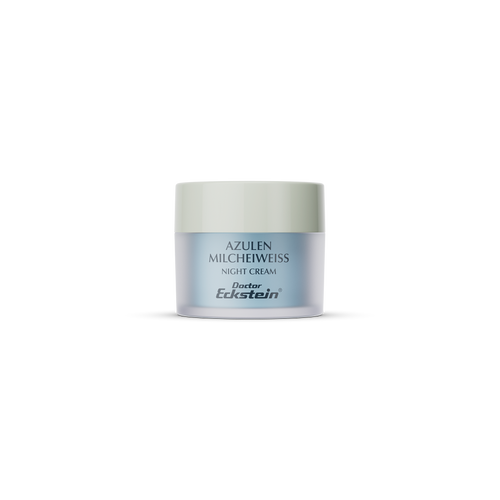
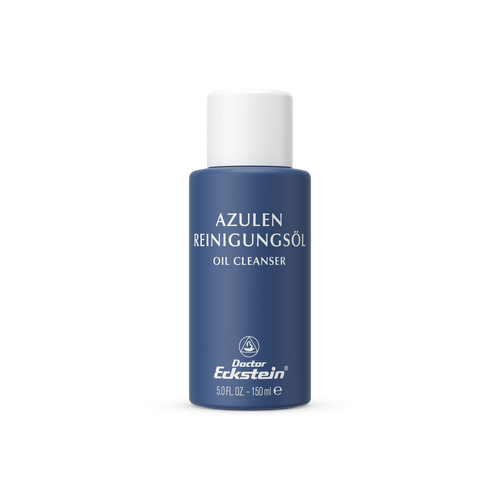
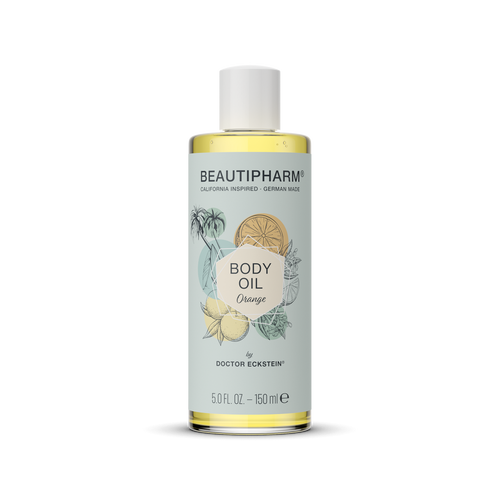
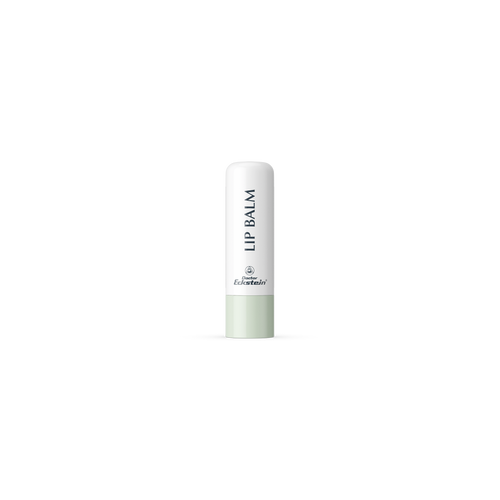
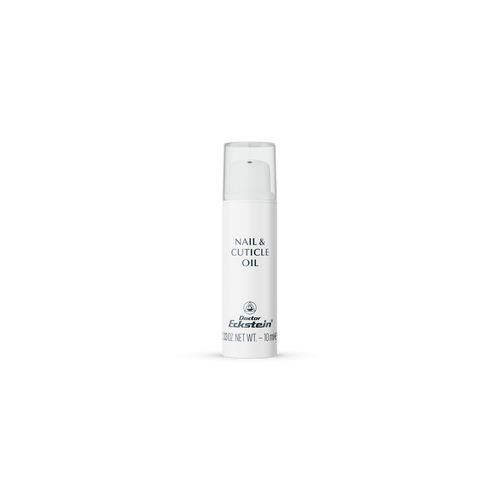
At Doctor Eckstein® this includes our Body Oil, Lip Balm, Glossy Lip Balm, Jojoba Bliss Body Oil and Azulen Cleansing Oil. Low water formulations from Doctor Eckstein® that also don’t need preservatives include our Azulene Milk Protein Cream and Nail & Cuticle Oil.
But for most creams, serums, toners, and lotions preservation is essential.
Balance over Fear: Are Preservatives Harmful?
This is where skincare conversations often become oversimplified.
The truth is that most preservatives are used in extremely small amounts and undergo extensive safety evaluations before they are approved for cosmetic use.
Their purpose is not to irritate skin. Their purpose is to prevent contamination.
Of course, every skin type is different. Some individuals may be sensitive to specific preservatives in the same way they may react to fragrances, essential oils, or certain botanical extracts. This does not make preservatives inherently harmful; it simply reflects the complexity of skin biology. The fact that preservatives are regulated and must be clearly declared is beneficial for people with sensitivities or allergies, as it provides transparency and helps consumers make informed choices.
Good formulation is about balance — choosing the right preservative system, at the right level, for the right type of product.
The Main Types of Preservative Systems
In skincare formulation, preservatives generally fall into two broad approaches.
Classic preservatives, including phenoxyethanol, parabens, and diazolidinyl urea, have been used for decades because they offer reliable, broad-spectrum protection at very low concentrations. Their efficiency makes them valuable tools in stable formulation.
Natural preservatives, such as sodium benzoate, potassium sorbate, benzyl alcohol, and dehydroacetic acid, are commonly used in natural skincare systems. However, they often require combinations, higher concentrations, or stricter formulation conditions to achieve the same level of broad protection.
This often creates the need for preservative boosters such as pentylene glycol or ethylhexylglycerin. These ingredients enhance the effectiveness of a preservation system, but on their own they are usually not sufficient to fully protect a water-based formula.
Each system has strengths and limitations, and skilled formulation often involves combining approaches rather than relying on a single solution.
Finding the right preservative system for a cosmetic product — or safely replacing an existing one — is often a significant challenge for research and development teams because of the chemical complexity of the overall formulation.
Why Parabens Continue to Be Used – when there are other options?
Few skincare ingredients have been debated more than parabens.
Yet scientifically speaking, parabens remain some of the most effective and well-studied preservatives ever used in cosmetics. Common examples include methylparaben, ethylparaben and propylparaben. This chemical class of preservatives became popular for a reason: they work extremely well at very low concentrations.
A tiny amount can provide excellent protection against bacteria, yeast, and mold while maintaining formula stability and minimizing the total preservative load in the product. Seen from a formulation perspective, that efficiency matters. Additionally, they are highly effective, stable, affordable and broadly compatible with many formulations.
Ironically, many “paraben-free” systems often require:
- higher total preservative concentrations
- multiple preservative ingredients
- more acidic formulas
- or additional stabilizers
to achieve the same antimicrobial protection.
Parabens also have a long history of use in cosmetics dating back nearly a century. And although they are criticized to be used in cosmetic products they are also used in food (E214/E218) and in pharmaceutical products as well.
Concerns around parabens largely grew after early studies explored whether they could weakly mimic estrogen in laboratory conditions. From a hormonal perspective, parabens have extremely weak estrogenic activity — typically estimated to be thousands to millions of times weaker than estradiol, the body’s natural estrogen. To put this in context, everyday dietary exposures can be more hormonally active: compounds derived from hops in beer (such as phytoestrogens) can produce measurable estrogen-like effects, even though a pint of beer is obviously not considered a hormone risk in normal consumption.
In practical terms, the estrogenic activity of parabens at cosmetic-use levels is negligible compared with both natural human hormones and many common dietary sources.
Regulatory agencies around the world — including in the United States and Europe — continue to permit parabens within approved concentrations because current scientific evidence has not demonstrated harm at cosmetic use levels.
At the same time, we understand why some consumers remain cautious. Skincare is deeply personal, and concerns about ingredients often come from a genuine desire to make informed and responsible choices.
The problem for parabens is the bad reputation they’ve received, that’s why public education about requirements and efficacy of preservatives is still needed.
And what about Diazolidinyl Urea that releases formaldehyde?
Diazolidinyl urea may sound intimidating, but formulators value it for a very practical reason: it is extremely efficient. It is a controlled-release preservative. Instead of flooding a formula with large amounts of antimicrobial agents all at once, it slowly releases trace amounts of formaldehyde over time inside the product. That tiny controlled release helps continuously protect the formula throughout its lifespan.
We understand that ingredient names like Diazolidinyl Urea — and especially the word “formaldehyde” — can sound concerning at first glance. Questions about such ingredients are completely understandable and reflect the growing interest consumers have in understanding what goes into their skincare products.
But dose matters enormously in toxicology. Formaldehyde is actually a naturally occurring substance found throughout nature — including in foods like apples and pears — and even produced naturally by the human body during normal metabolism. The human body is naturally equipped to process small amounts of formaldehyde as part of normal metabolic pathways.
The most important thing about using a formaldehyde releaser in cosmetic products is the exposure level:
The trace amounts of formaldehyde released from diazolidinyl urea in cosmetics are incredibly small, which is why this ingredient works at concentrations as low as 0.2–0.4%.
That efficiency is one reason formulators continue using it:
- strong broad-spectrum protection
- very low use levels
- excellent stability
- reliable preservation performance
By comparison, many naturally derived preservative systems may require two to four times higher concentrations to achieve similar antimicrobial protection.
What about the new warning label “product releases formaldehyde”?
The EU legislation has established a new limit for formaldehyde that is released by formaldehyde releasers like diazolidinyl urea in cosmetic products. Finished products must bear this notice if the total concentration of released formaldehyde exceeds 0.001% (10 ppm) starting July 31st 2026.
You will find this warning label on some of our products. For some of these products the preservative will be changed to another system in the future. But notice: the existence of the warning label on the product doesn’t automatically mean, that there is in fact a release greater than 10ppm. This warning is only included as a precautionary measure.
Natural Preservatives Aren’t Automatically Better
Natural preservatives and naturally derives preservatives absolutely have an important place in skincare formulation.
Some common examples include:
- sodium benzoate
- potassium sorbate
- benzyl alcohol
- dehydroacetic acid
- sorbic acid
These ingredients are widely used in natural and certified organic skincare systems, and we use them at Doctor Eckstein® as well.
However, many people assume that natural and naturally derived preservatives are automatically gentler or easier to work with. Formulation science is often more complex.
In reality, many naturally derived preservative systems:
- work only within narrow pH ranges
- may provide weaker antimicrobial coverage
- often need to be combined together
- and sometimes require higher total concentrations
For example, preservatives like sorbic acid and benzoic acid work best in acidic environments. That lower pH can occasionally become irritating for sensitive skin. This is why formulators often combine multiple preservation strategies to create a system that is effective, stable, elegant and skin-compatible.
Give Preservatives a Little More Credit
Preservatives may not be glamorous, but they are one of the reasons modern skincare works as well as it does.
They protect formulas.
They help prevent spoilage.
They keep active ingredients stable.
And most importantly, they help protect your skin from contamination you can’t see.
At Doctor Eckstein®, we believe intelligent skincare starts with transparency, science, and balance — not fear. We use preservatives thoughtfully and intentionally.
Sometimes that means classic preservatives.
Sometimes naturally derived systems.
Sometimes preservative boosters.
Often, a combination.
Every ingredient in a formula has a purpose. Preservatives included.
Because ultimately, contaminated skincare is far more concerning than properly preserved skincare.
Our philosophy has always been simple:
use what works, use only what’s needed, and formulate with care.
Behind that simple philosophy lies a great deal of scientific expertise, testing, and formulation work — all with one goal: to create products that are safe, effective, and enjoyable to use every day.
That approach has guided our family-owned company for generations — and it continues to guide every batch we produce today.
Verena Eckstein
* Regulation (EC) No 1223/2009 Annex V (European Cosmetic Regulation)