
The natural, biological behavior of our skin
Our skin ages - throughout our lives. Some people are a little luckier than others. This is due to their genes, which keep some people's skin firm, radiant, and wrinkle-free for longer, while for others, this process progresses more quickly. Essentially, the aging process is a completely natural bodily function. It affects all of us - whether old or young - or whether we have good genes.
Simply put, it works like this: our cells constantly divide to rejuvenate the skin and keep it vital. Dead cells (in the skin, these are called horn cells or corneocytes) are shed from the upper skin layer. This skin renewal process takes an average of 28 days. With age, cell division slows down, and small errors repeatedly occur, which accumulate over time. The skin partially repairs this damage independently, but these are also broken down from time to time in the form of dead cells. With increasing age, both the skin renewal and shedding processes take longer. This process is completely natural and occurs in everyone – faster in some than in others.
This is referred to as natural skin aging. The skin loses its firmness, becomes thinner and drier. It can then no longer protect itself as well from external influences. We know the consequences: our skin develops fine lines and wrinkles, appears saggier and rougher, age spots and an irregular skin tone can appear, and glow disappears.
And what is premature skin aging?
Premature skin aging is when the skin shows signs of aging before its biological rhythm dictates. And this is primarily due to how we live. Daily, various stress factors affect the skin, attacking its natural beauty and causing it to age faster.
Research has already identified many of these factors. The biggest stressors arise from our lifestyle. They all have one thing in common: they promote the formation of free radicals in our cells or weaken our body's defense against these aggressive molecules. This is fatal because free radicals can cause massive damage to cells. Especially when there are so many of them in our body that our natural defense mechanisms are no longer sufficient.
Here is a brief overview of the top stressors that accelerate the aging of our (skin) cells:
- UV radiation
- Environmental pollution, such as exhaust fumes and fine dust
- Unhealthy food with a lot of sugar and trans fats
- Cigarettes
- Alcohol
- Psychological stress
- Lack of sleep
Protect yourself and your skin
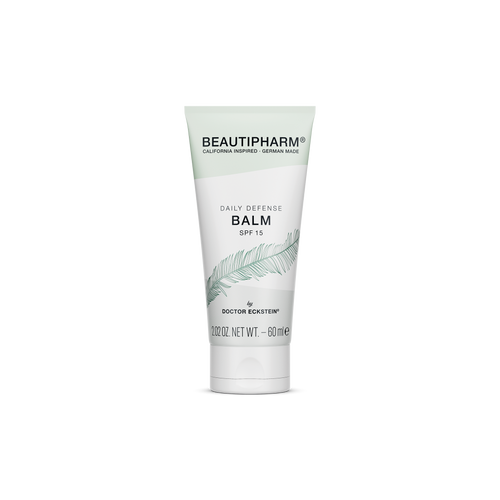
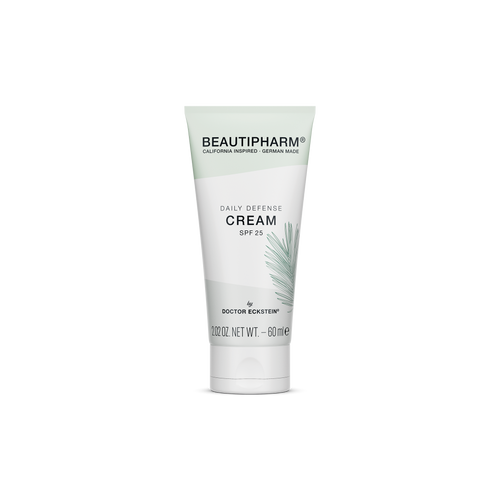
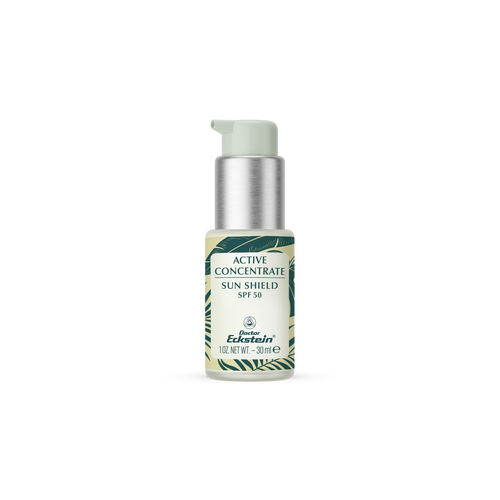
Some of these stressors are quite easy to address. I'm thinking, for example, of the all-important UV protection. With our AC SUN SHIELD SPF 50, our DAILY DEFENSE BALM SPF 15, and our DAILY DEFENSE CREAM SPF 25, you get an optimal care product for your daily protection. If you are more interested in the topic of UV protection, you can find more about it in my blog post "What you should know about UV protection."
Equally important is healthy sleep. Sufficient sleep can effectively support the body and skin in maintaining vitality. Achieving this is also in one's own hands.
Other things are not so easy to change, for example, if you live in the city and are per se exposed to higher fine dust pollution. In areas with high exhaust gas and fine dust pollution, there are also more free radicals that cause oxidative stress in your cells.
The good news, however, is that there is a strong ally in the fight against free radicals – antioxidants. If free radicals are the aggressors, then antioxidants figuratively provide your skin with an additional protective shield. Although antioxidants cannot stop the aging process, they can effectively support your skin and body in aging not prematurely – but biologically.
Antioxidants offer protection from within and without
Since nature has wonderfully provided for us here, you can achieve a lot through your diet. Especially many fresh, unprocessed foods are excellent suppliers of antioxidants and support the body and skin from within against free radicals.
For your skin, however, there is double support, because you can also supply it with antioxidants from the outside. You can achieve this with the right skincare. Therefore, it is worth taking a look at the ingredient list if you want to find out whether the product offers a good protective shield against free radicals.
Antioxidants in your skincare
The classic antioxidants used in skincare include: Vitamin C, Vitamin E (tocopherol), Vitamin A (retinol, retinyl palmitate), beta-carotene, flavonoids such as troxerutin, ethyl ferulate, and coenzyme Q10 (ubiquinone).
Very innovative and emerging active ingredients include anthocyanins, niacinamide, carnosine, and Pycnogenol®. Anthocyanins and Pycnogenol® have been scientifically proven to have an exceptionally high antioxidant effect.
You can read more about the effect of antioxidants and free radicals in my blog post "Why antioxidants are great."
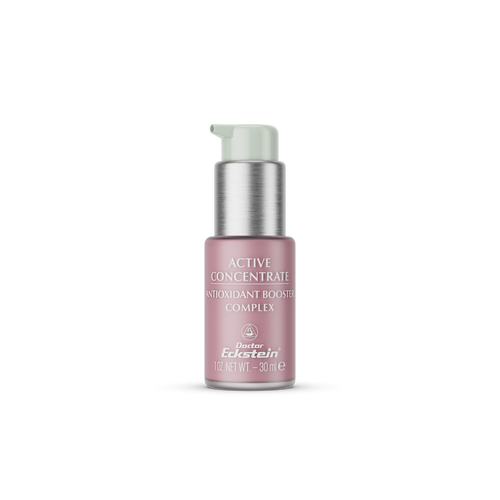
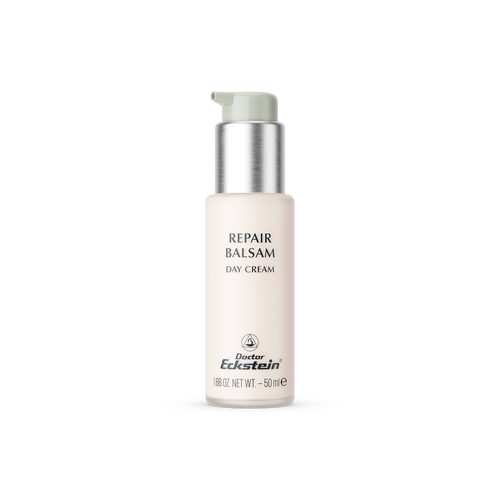
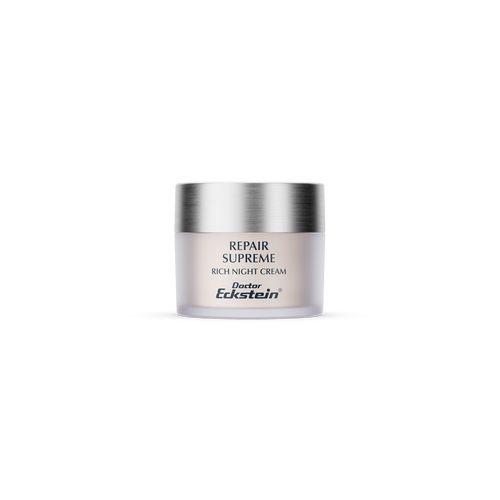
Our AC ANTIOXIDANT BOOSTER COMPLEX, which combines 6 valuable antioxidants, serves as a powerful protective shield with a wonderful antioxidant effect. You can find innovative active ingredients like Pycnogenol® and Carnosine in our REPAIR BALM and our REPAIR SUPREME.
In summary, your skin always appreciates additional support, whether you are 20 or 70 years old. However, with increasing age, it becomes more important to provide it with adequate protection against free radicals and harmful external influences such as UV radiation. At Doctor Eckstein®, you can find a quick overview of suitable care products here: Antioxidants and Sun.
Our motto for daily interaction with ourselves and our skin could therefore be: to age beautifully, naturally, and to support our skin in the best possible way.
Your Verena Eckstein
Scientific Literature:
Grimm T et al. (2004). Antioxidant activity and inhibition of matrix-metalloproteinases by metabolites of maritime pine bark extract (pycnogenol®). Free Rad Biol Med 36, 811-822. DOI: 10.1016/j.freeradbiomed.2003.12.017
Kovács M., Podda M. (2021). Skin aging and dermatological pathologies. J Ästhet Chir 14, 68–73. DOI: 10.1007/s12631-021-00262-0
Smeriglio A et al (2016). Chemistry, Pharmacology and Health benefits of Anthocyanins. Phyt Res 30 (8):1265-1286. DOI: 10.1002/ptr.5642